Small Bedroom Layouts That Will Make Your Space Feel Spacious

A quick guide to small bedroom layouts:
- Small bedroom layout ideas often start with flow. Clear walkways and thoughtful bed placement can instantly make a space feel lighter.
- Simple shifts, like using corners well or choosing furniture that suits the room’s scale, can help open up compact spaces.
- With the right layout, even smaller rooms can feel calm, functional and like a sanctuary for rest and relaxation.
Small bedrooms can sometimes feel tricky to get right. When space is tight, every piece of furniture and decoration can play a role in how the room feels day to day.
With thoughtful placement and a few adjustments, even compact spaces can feel calm, balanced and spacious. The key is to think beyond square metres and focus on flow, function and visual breathing room.
In this guide, we’ll explore bedroom ideas for small rooms, along with design ideas that focus on flow first. Let’s take a closer look.
Why layout matters more than space in a small bedroom
If you’ve been wondering how to style a small bedroom, layout is often the starting point. Once the flow feels right, styling choices tend to fall into place.
How furniture is positioned can influence the ease of movement and how the room feels at the end of the day. A clear pathway from the door to the bed can instantly make the space feel lighter. Leaving a little breathing room around key pieces can help the room feel less crowded. Even small changes in spacing can shift the overall mood.
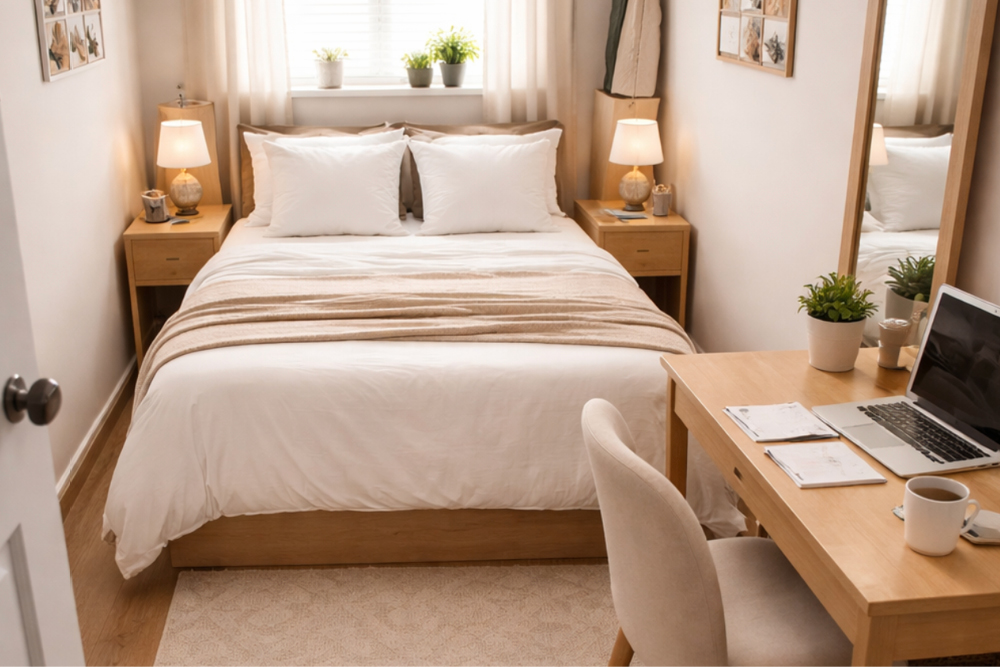
How to make a small bedroom look bigger
Some of the most effective small bedroom layout ideas are surprisingly simple. Shifting the bed, clearing a walkway or rethinking how corners are used can subtly change how open the room feels.
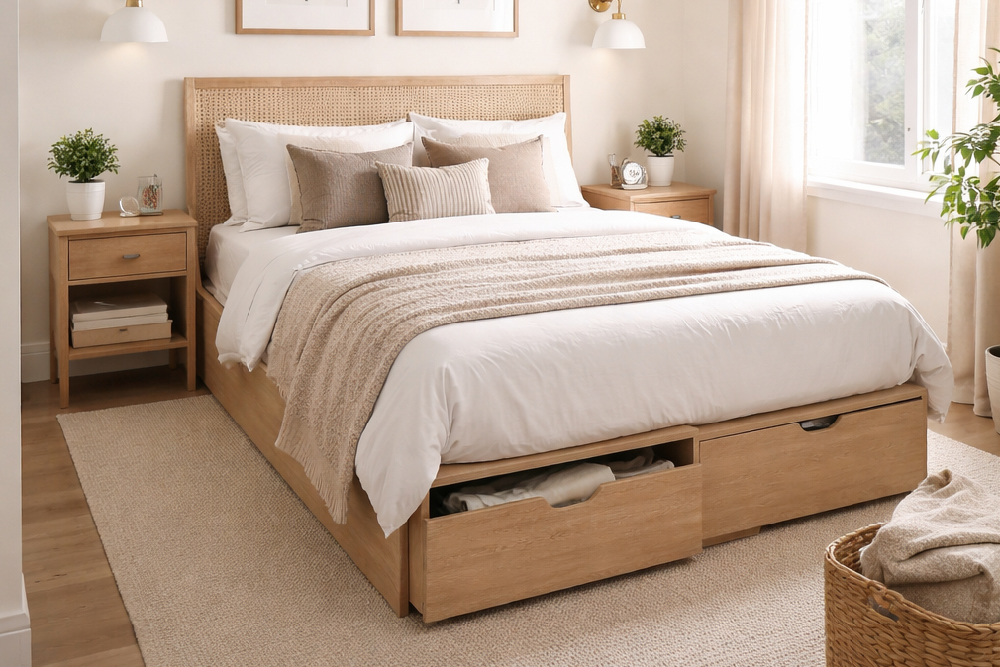
Bed placement
The bed anchors the space. Whether you have room for a king bed or only have room for a double, its position can shape how the entire room feels.
- Try to avoid blocking entry points where possible. When the doorway opens onto clear floor space rather than the side of a bulky piece, the room may feel more inviting from the very first step inside.
- Creating a clear walkway on at least one side of the bed. Even a small amount of space beside the mattress may make daily movement easier and reduce that crowded feeling.
- Centering the bed can bring balance and make the room feel considered.
- In tighter spaces, pushing the bed against a wall might free up more usable floor area.
You may also want to consider beds with added storage. From drawers underneath to built in shelves, these beds can be a great way to reduce visual clutter.
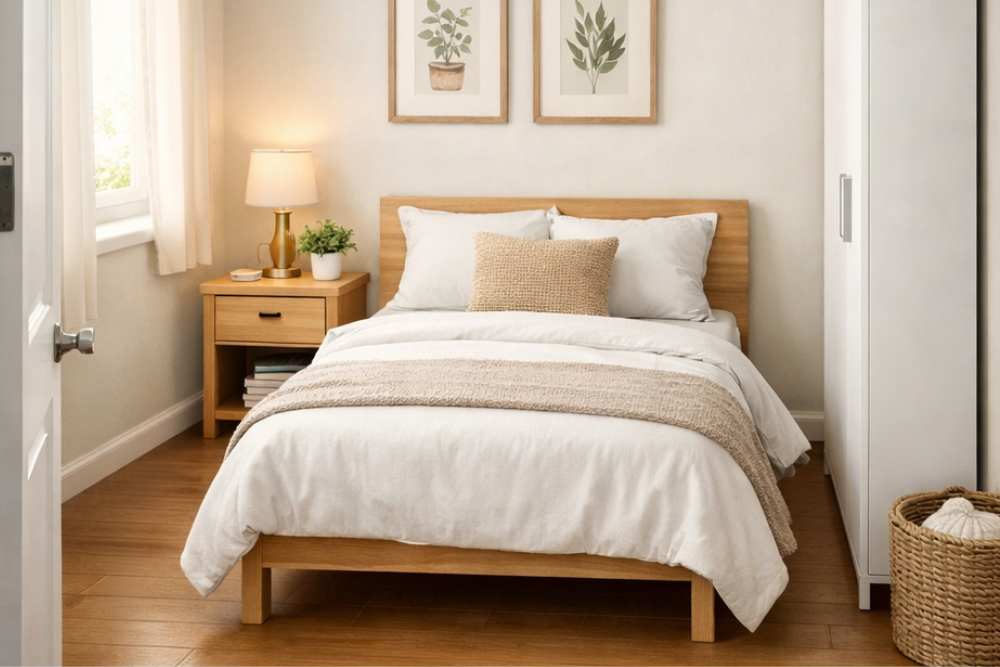
Use corners strategically
Corners are sometimes overlooked, but they can work harder than you think. Placing the bed or a storage piece into a corner can open up the middle of the room, creating a clearer pathway and a greater sense of space.
To avoid a cramped feel, aim to keep at least one side of the bed accessible and avoid crowding the corner with additional bulky pieces. Keeping the surrounding area simple can help the placement feel intentional rather than squeezed in.
Create clear pathways
Clear pathways are one of the simplest ways to help a small bedroom feel bigger.
Keeping walking routes unobstructed allows the room to function more smoothly and may reduce visual clutter. If possible, avoid positioning furniture where it interrupts the natural flow from the door to the bed or wardrobe.
When it comes to furniture, choose pieces that suit the scale of the room. This may look like more compact bedside tables or a thin wardrobe. Choosing pieces that suit the scale of the space can maintain balance and comfort.
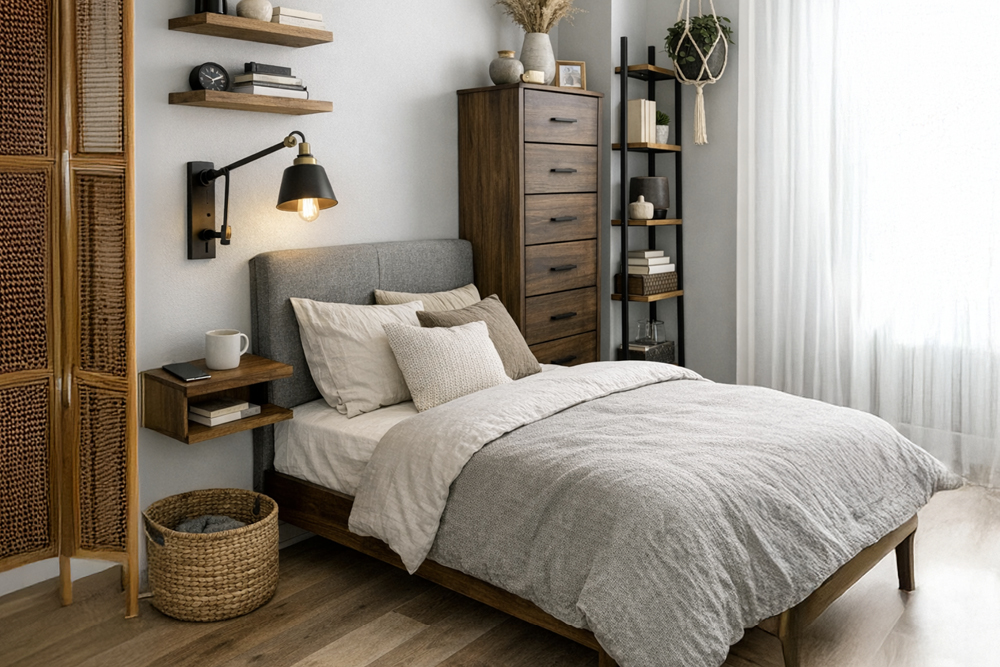
Make the most of vertical space
When floor space is limited, looking upward can make a difference. Wall-mounted lighting can help free up surface space on bedside tables and reduce the need for additional floor lamps. Floating shelves can offer storage without extending into walkways, helping the layout feel less crowded.
Tall, narrow furniture pieces can sometimes feel lighter than wide, bulky options. By drawing the eye upward rather than outward, they may help create a greater sense of height while keeping the floor area clearer.
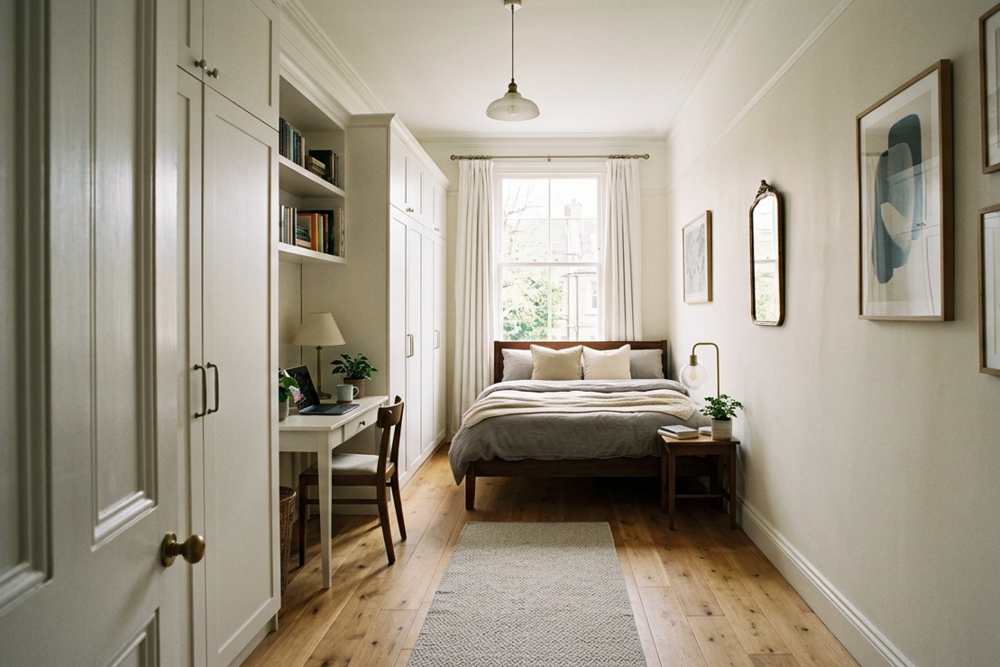
Small bedroom designs for different room shapes
Not all small bedrooms are shaped the same, and the layout that works beautifully in one room may not feel quite right in another. Here are some small room ideas to spark inspiration.
Long and narrow bedrooms
In a long and narrow room, it can help to place larger furniture pieces along one side. This may create a more continuous walkway and make the room feel easier to move through from end to end.
Keeping one side relatively clear can allow the eye to travel the full length of the space, which may help it feel less confined. Try to avoid splitting the room visually with furniture placed across the centre. Instead, think of the room as a gentle pathway, with furniture supporting that movement, rather than blocking it.
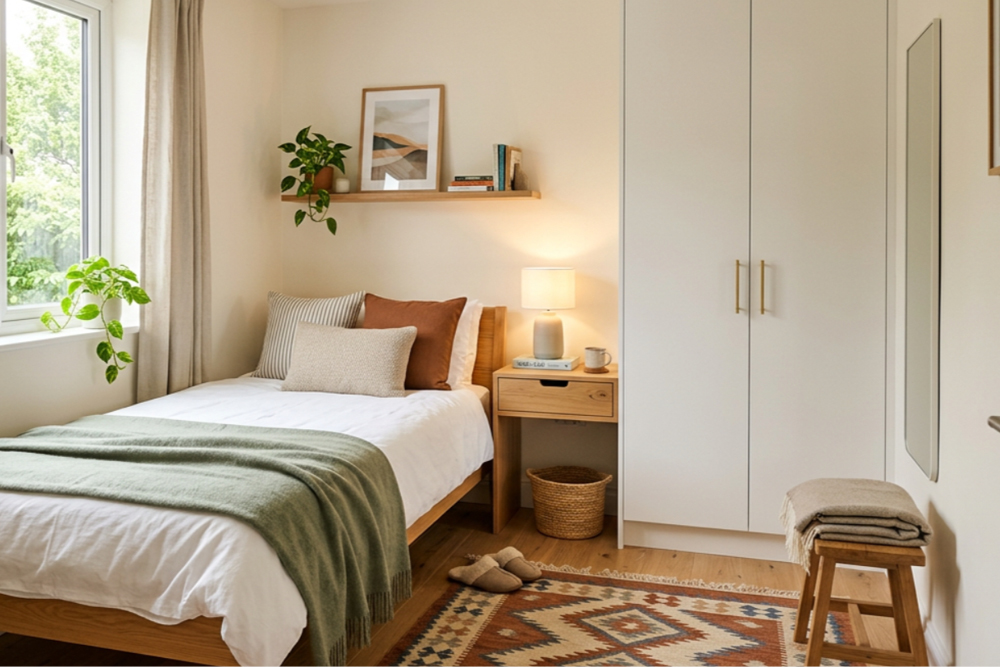
Square small bedrooms
Square rooms often lend themselves to more balanced layouts. Placing the bed centrally on one wall, with similar spacing on either side can help create a sense of order. Symmetry may help the space feel calmer and more settled. Matching bedside tables or evenly spaced lighting can support that balance, even if the room itself is compact.
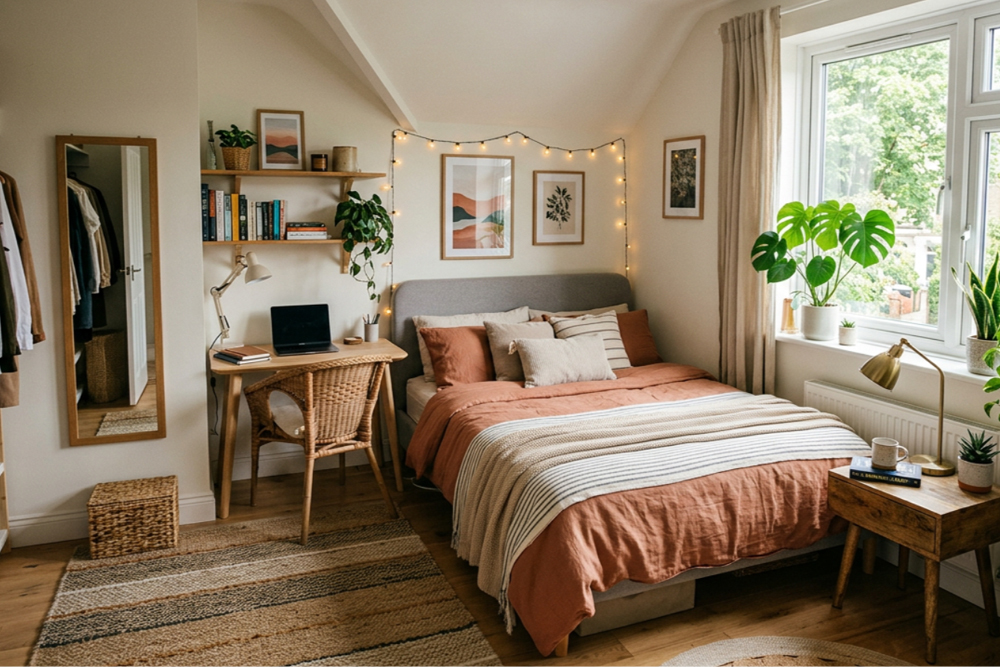
Awkward or compact layouts
Zoning can be a great tool in rooms with unusual corners or tight dimensions. Creating a clear sleep zone around the bed and a lighter storage zone along another wall can help the space feel organised rather than crowded. Keeping larger pieces grouped together can also make the layout feel intentional.
Where possible, try to keep the central floor space open. When the middle of the room is not filled with furniture, it may feel easier to move through and more spacious overall.
Before making any changes, it can help to sketch out a small bedroom layout plan. Sketching a simple floor plan or using painter’s tape to mark approximate furniture positions on the floor may give you a better sense of scale. This extra step can make it easier to visualise how the room will feel once everything is in place.
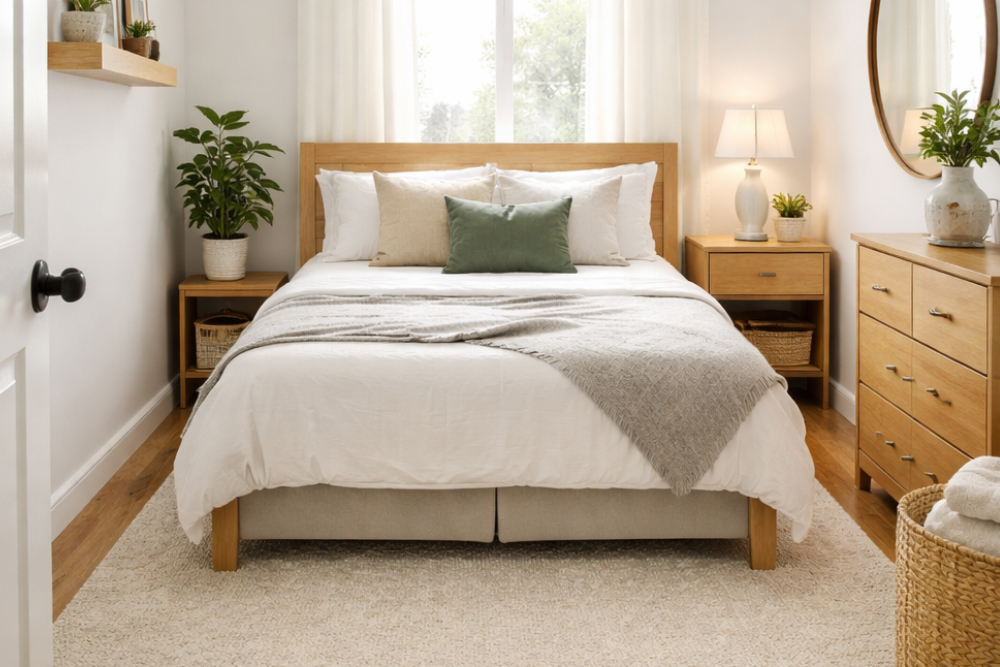
Common mistakes that make small bedrooms feel smaller
When space is limited, you’ll want to make the most of every corner. Sometimes though, a few small layout choices can unintentionally make the room feel tighter than it needs to. Here are some common things to keep in mind:
- Avoid blocking natural light with tall furniture. Placing wardrobes, shelving or tall pieces directly in front of windows can reduce the amount of light flowing into the room.
- Be selective with your furniture. When too many pieces compete for floor space, the room may begin to feel busy. Choosing furniture that serves a clear purpose and leaving a little breathing room between items can help the layout feel more considered.
- Consider the scale and proportion. Large, wide furniture in a smaller room can sometimes overwhelm the space. Selecting pieces that feel proportionate to the size of the room may help everything sit more comfortably together.
The aim is to create a layout that supports ease and comfort. With a few thoughtful adjustments, even subtle changes can help a compact bedroom feel lighter and more spacious.
Making small room ideas work for your space
Bringing small bedroom design ideas together doesn’t have to mean squeezing in more furniture. With thoughtful planning, even compact bedrooms can begin to feel calm, open and functional. Clear pathways, balanced placement and considered spacing may help create a bedroom that feels less crowded and more like a sanctuary for rest and relaxation.
When you focus on layout first, you’re designing around how the room is actually used. With thoughtful positioning, a smaller bedroom can begin to feel more balanced and more like a sanctuary for rest and relaxation.
Explore more bedroom styling tips on the Snooze blog. Discover articles on minimalist design and ideas to brighten your space.