Your Guide To Bed Bugs In Australia

What you need to know about bed bugs:
- Bed bugs are tiny, flat insects that hide in mattress seams, bed frame joints and bedding.
- They don’t jump or fly and instead travel via luggage, clothing and second-hand furniture.
- Common signs include small dark spots on bedding, shed skins or itchy bites that appear in clusters.
Early detection and professional treatment tend to give the most effective results.
Bed bugs are something many people only hear about when travelling or staying in short-term accommodation, but they can occasionally appear in homes too.
While the idea of sharing your sleep space with these little pets can feel unsettling, the good news is that they’re actually very manageable with early action. This guide covers everything you need to know, including what they are, how they spread and signs of bed bugs.
What are bed bugs?
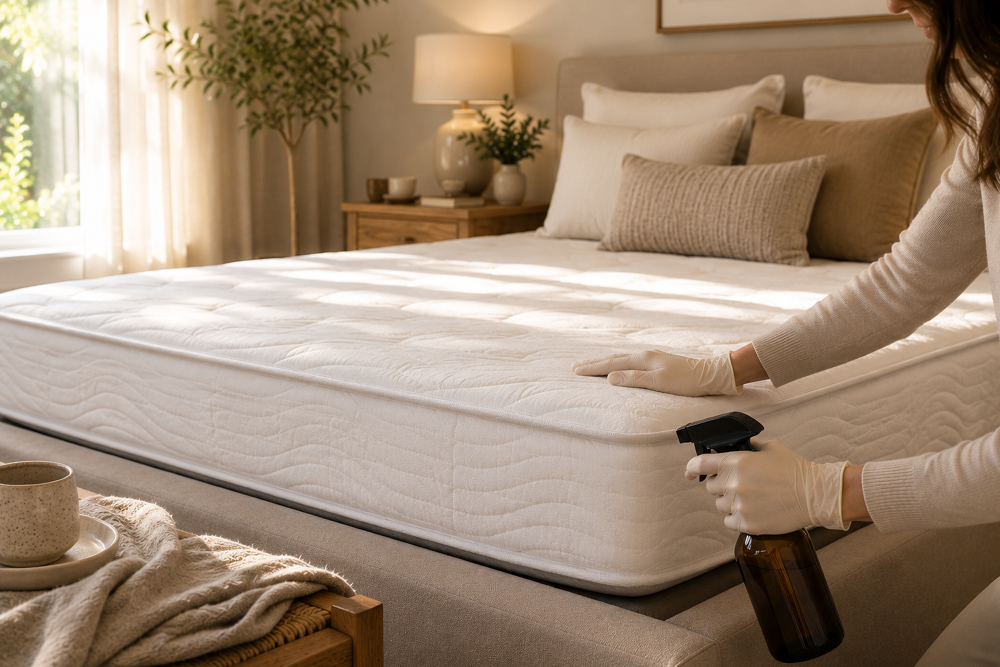
Bed bugs are small parasitic insects that feed on the blood of mammals, including humans. They’re wingless. They don’t jump and they can’t fly, but they are good at crawling into tight, narrow spaces and staying hidden. You’ll often find bed bugs on a mattress, in seams, bed frame joints, skirting boards and nearby furniture during the day.
Adult bed bugs can live for up to six months, and will typically feed every five to ten days.
What do bed bugs look like?
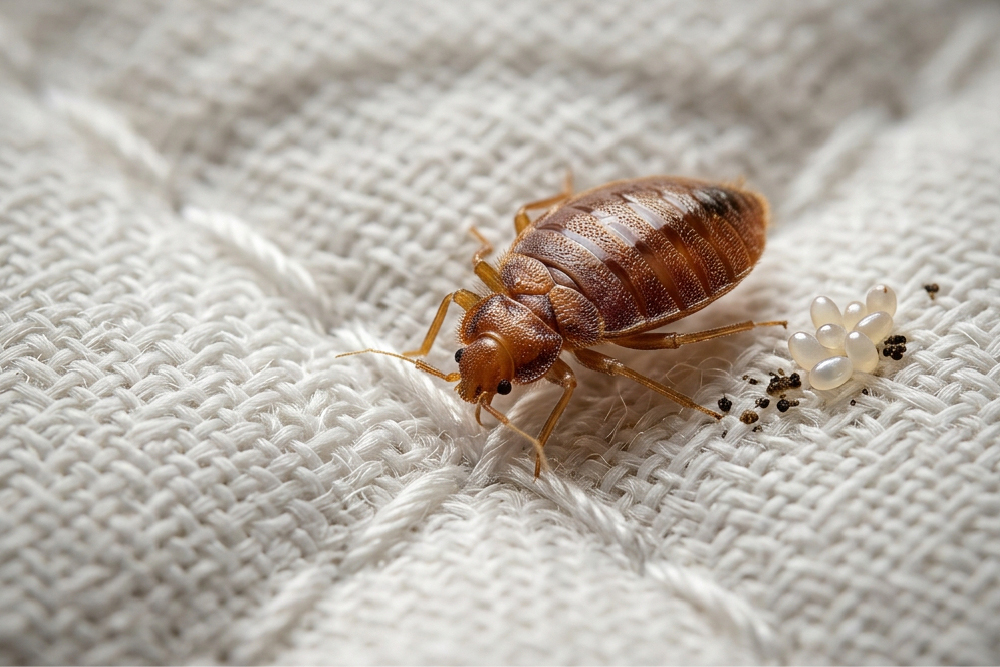
Bed bugs are small, flat insects with an oval shape and a brown to reddish-brown colour. Their bodies are wingless, and they tend to appear darker after feeding. Because of their shape and colour, bed bugs are sometimes compared to apple seeds, small lentils or tiny beetles.
How big are bed bugs?
Adult bed bugs are typically around 4 to 5 millimetres long, which is roughly the size of an apple seed.
Young bed bugs, known as nymphs, are smaller and lighter in colour. Because of their size and pale appearance, they can be more difficult to notice during early stages of an infestation.
How do you get bed bugs?
So, what exactly causes bed bugs? Bed bugs don’t appear because a home is unclean. They typically spread from travelling from one location to another.
Hotels, short-term accommodation and public transport can sometimes provide opportunities for bed bugs to transfer onto luggage or clothing. Once inside a home, they may spread through suitcases, bags and personal belongings.
Another way they can get into your home is through second-hand furniture, particularly items like mattresses, bed frames and upholstered chairs. Aside from furniture, they can also move between neighbouring rooms or units in apartment buildings or homes with shared walls.
Signs that you have bed bugs
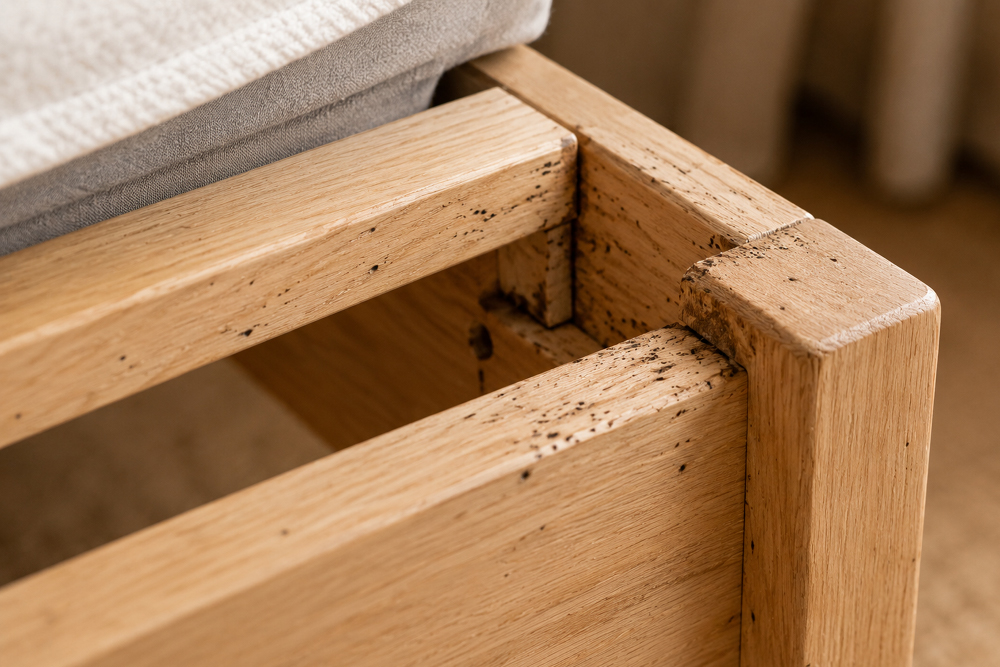
Bed bugs are often detected through signs rather than by actually seeing them. Looking for physical evidence around the mattress and bedding can help identify whether you have them. Here’s what to look out for.
Physical signs in the bed area
Early signs of bed bugs can include:
- Small dark spots on sheets or mattress seams (droppings)
- Tiny rust-coloured stains on bedding
- Shed skins or empty casings
- Eggs or pale yellow shells in creases
Bite-related signs
In some cases, bed bugs may be noticed through skin reactions that appear overnight. A bed bug bite will typically be red and can appear in clusters or lines. A bed bugs rash will typically last around a week, but reactions will vary depending on skin sensitivity.
How to check for bed bugs
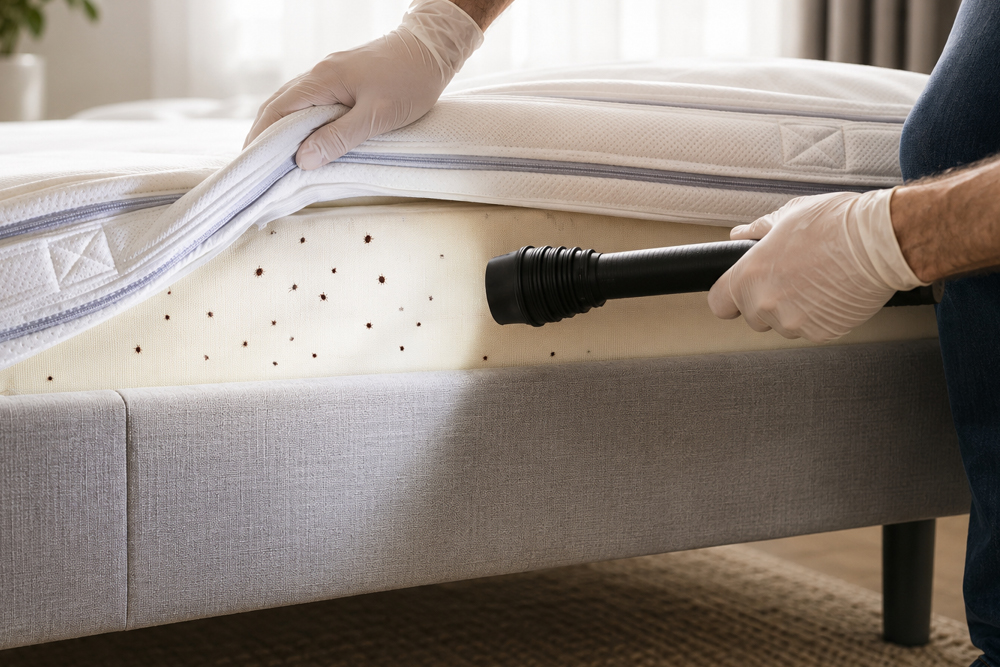
If you suspect bed bugs, a careful inspection of your sleep space can help identify potential signs.
Here’s a step-by-step guide:
- Remove all bedding and check the mattress closely, paying particular attention to the seams, tags and any tufted areas.
- Check the bed frame, looking carefully at joints, corners and any slats.
- Look behind the headboard as bed bugs can hide in the joins.
- Inspect nearby furniture like bedside tables, skirting boards and any upholstered items that are in close proximity to the bed.
Look for dark spots or staining, shed skins, small blood stains on sheets and tiny eggs. You may also find yellow casings tucked into creases. Tools like a torch or small flat tool (like a drivers license) can help gently open seams. Taking photos of anything suspicious may also be useful.
How do you get rid of bed bugs?
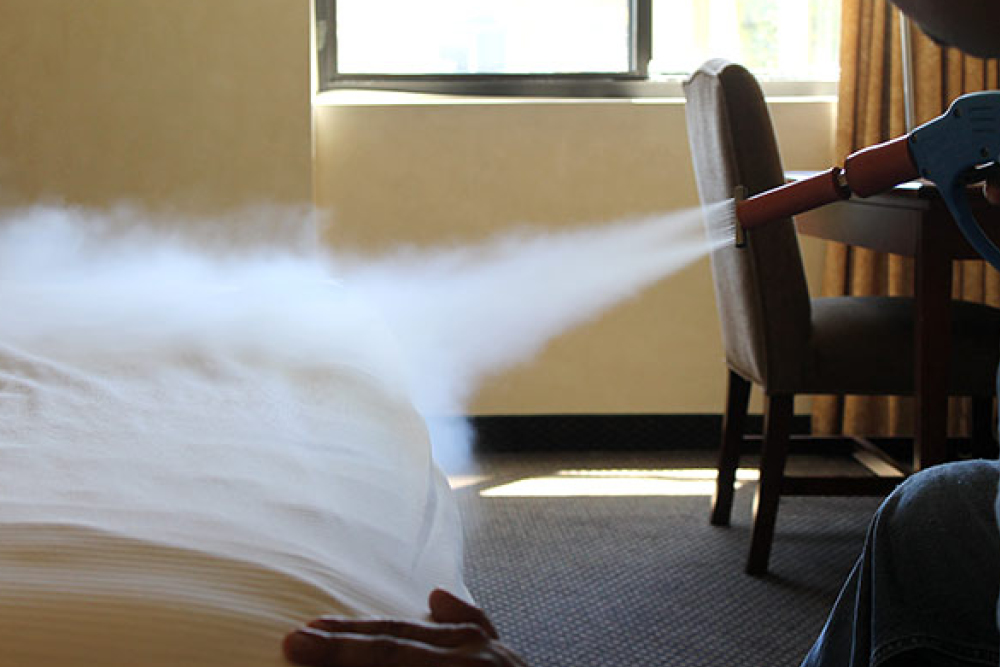
If bed bugs are confirmed, professional pest control is usually the most reliable approach for complete removal. These tiny pests can be persistent and complete removal typically takes specialised bed bug treatment.
In the meantime, there are some steps that may help support the process. Here’s how to get rid of bed bugs at home:
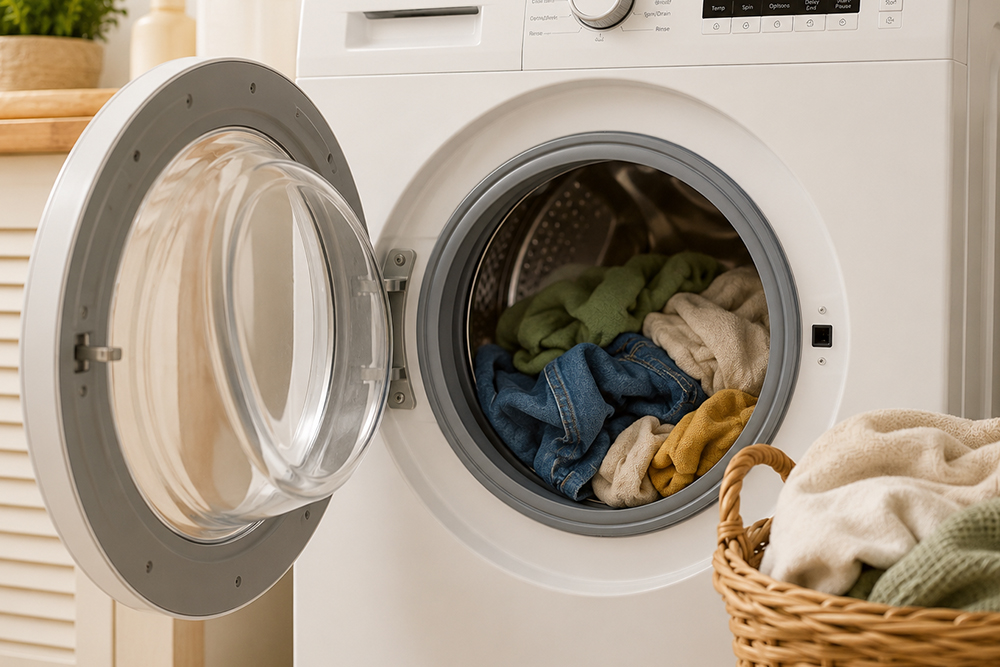
- Wash bedding on a high-heat cycle. Make sure to check care labels as some materials may not be suitable for high-temperature washing.
- For items that can’t be washed on high heat, airing them in direct sunlight may be a helpful option, as bed bugs are sensitive to heat.
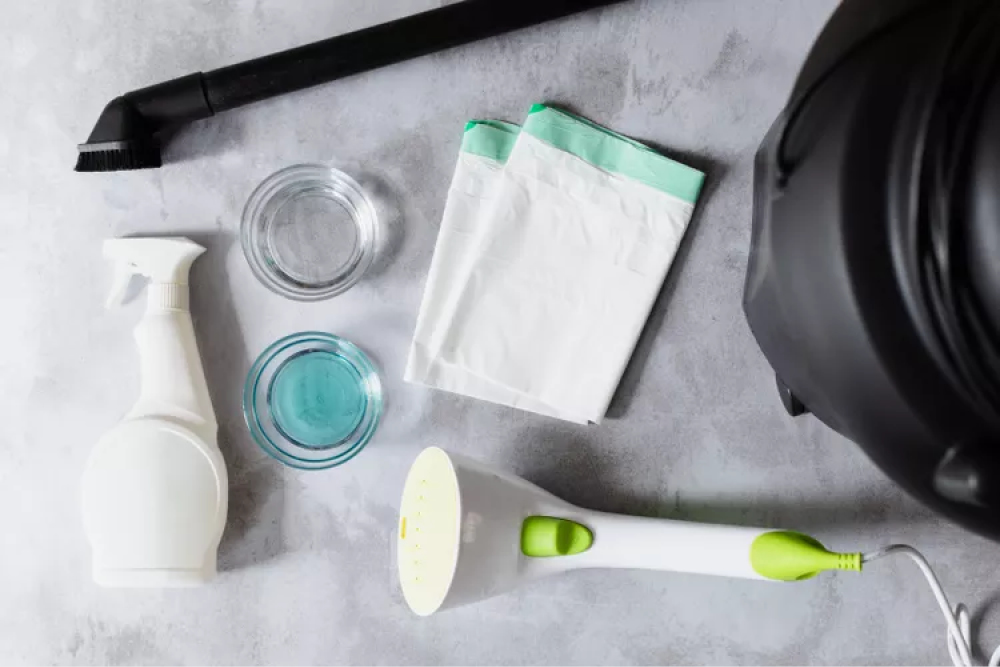
- Vacuum mattress seams and bed frame joints thoroughly and dispose of the vacuum contents in a sealed bag immediately after.
- Reduce clutter around the sleeping area to limit the number of hiding spots available.
It’s worth noting that these steps should be taken as supportive measures, alongside professional treatment.
How to prevent bed bugs
Although bed bugs can appear in many environments, a few simple habits may help reduce the risk of bringing them into your sleep space.
- When travelling, it can be helpful to inspect hotel mattresses and bed frames before settling in. Keeping luggage off beds and floors may also reduce the chance of insects transferring onto belongings.
- After returning home from a trip, washing clothes and travel items can provide an extra layer of precaution.
- When purchasing second-hand furniture, particularly mattresses or bed frames, checking seams and hidden areas may help identify potential issues before bringing items inside.
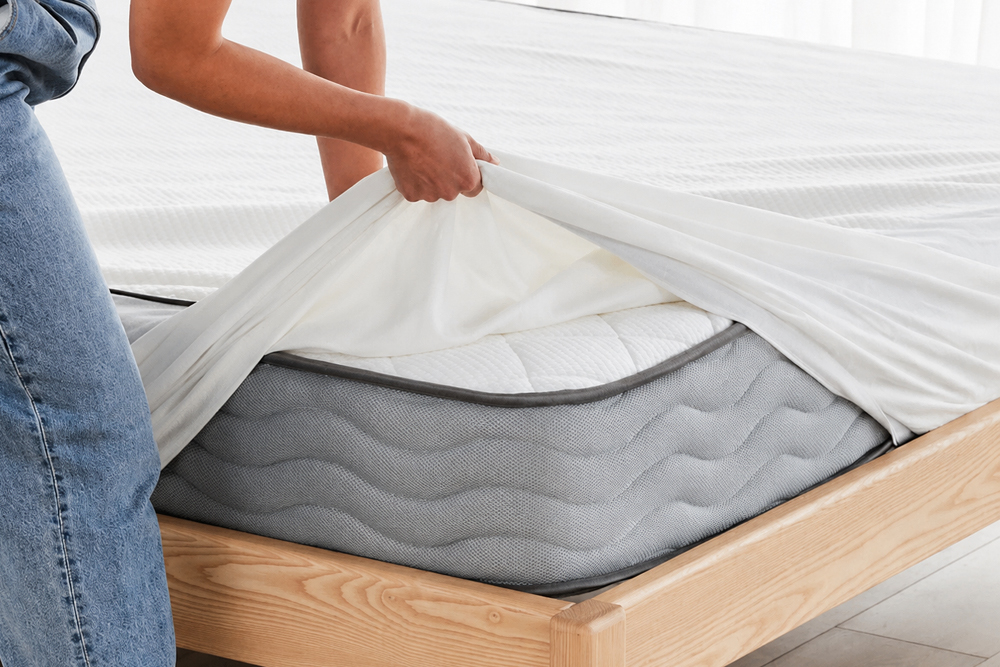
- You may also want to invest in a mattress protector to make inspections easier and help reduce hiding spots around mattress seams.
Protecting your sleep space
Bed bugs are a common pest, but are usually manageable with awareness and early action. Spotting the early signs of bed bugs and responding quickly can help reduce the chances of a larger infestation developing.
Beyond the practical steps, it’s worth taking a moment to think about your sleep space more broadly. The bedroom is the place that tends to work best when it feels calm, comfortable and well-cared for.
Looking for more bedroom tips? Head over to the Snooze blog for more articles like a guide to mattress removal and facts about sleep that you shouldn’t hit snooze on.