Kids Bedroom Study Ideas To Create A Calm And Practical Study Space

A quick guide to creating a kids bedroom study space:
- Kids bedroom study spaces can work beautifully with thoughtful layout and furniture choices.
- Beds with storage, loft designs and built-in features can support study needs as kids grow, while keeping rooms feeling calm.
- A well-designed setup balances focus and rest, helping the bedroom stay a place for both learning and winding down.
As kids grow, their bedrooms often start to take on more than one role. Alongside sleep and downtime, their space may also need to support homework, creative projects or hobbies. Finding a balance between focus during the day and calm at night can feel more achievable with a few considered choices.
Whether you’re working with a generous room or a more compact layout, thoughtful planning can help create a practical study area that feels intentional. From simple layouts to styling ideas, these kids bedroom study ideas are designed to sit alongside their sleep space.
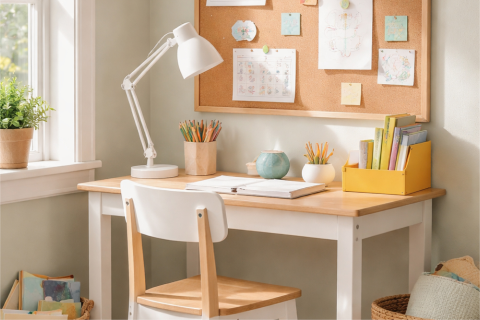
Why a dedicated kids study area makes a difference
Having a defined homework space for kids can make everyday routines feel more settled. When learning, relaxing and sleeping all happen in the same room, clear visual cues can help children understand what each area is used for.
A dedicated kids study area doesn’t need to be large or elaborate. Even a desk and chair help signal a place for focus, making it easier to move between daytime activity and evening wind-down.
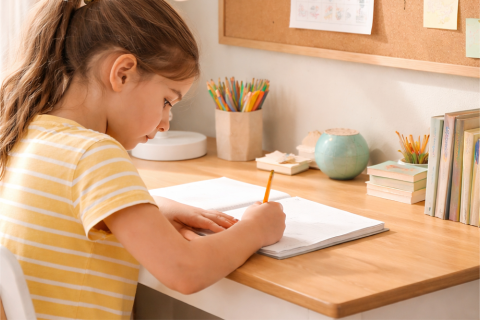
How a kids study space supports focus and learning habits
Not every family has the space for a separate kids study room, which makes a small, defined study area within the bedroom a practical option. Having a consistent place to sit and concentrate may help support learning habits over time. Using the same desk for homework, reading or quiet activities can create a sense of familiarity and routine, free from distractions.
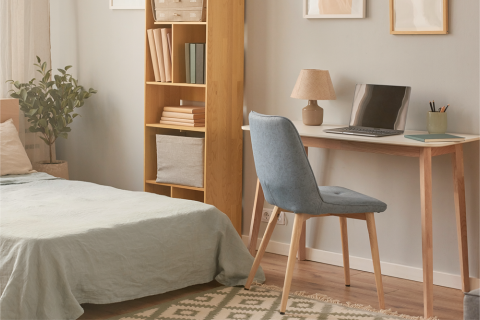
Creating zones in their bedroom
Zoning is one of the easiest and most effective ways to make a kid’s bedroom feel balanced. Separating the study area from the sleeping space, can help the room serve multiple purposes without feeling cluttered.
This could mean positioning the desk on a different wall to the bed, using a rug to define the study zone or keeping storage contained to one area. These subtle boundaries can help the bedroom shift more smoothly from daytime learning to a calm space for rest and relaxation.
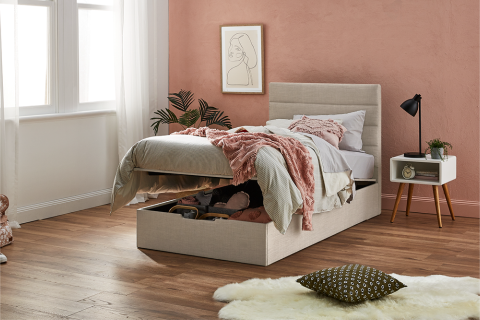
Kids study room ideas for different ages and stages
A child’s bedroom evolves as they grow, shifting to reflect changing interests, routines and needs. These kids' study room ideas are designed to adapt across different ages and stages.
For younger kids
For younger children, keeping things simple and familiar can make a real difference in their space. Beds designed to support more than one function can help create a space for arts and crafts, without adding visual clutter.
Kids beds with built-in storage are especially useful at this stage. Underbed drawers or shelves can hold books and craft supplies, while beds with display space give kids a place to show off their favourite books or drawings. Having everything within reach, while not cluttered, can help the space feel approachable and organised.
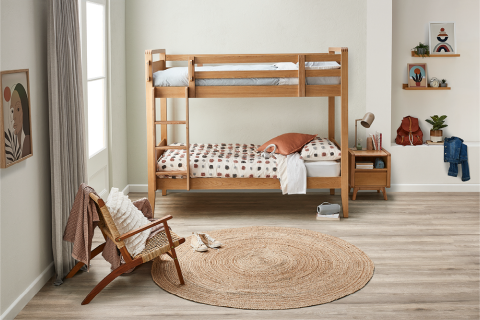
For tweens
As children move into their tween years, their study needs often grow and so does their desire for independence. Bunk-style beds can be a practical way to free up space, creating more room for desks, a shelving unit or a quiet study nook.
This type of layout may help define different uses within the bedroom, while keeping everything contained in one sleep space. It’s a flexible approach that can grow alongside changing study habits, while helping the room feel open, balanced and considered.
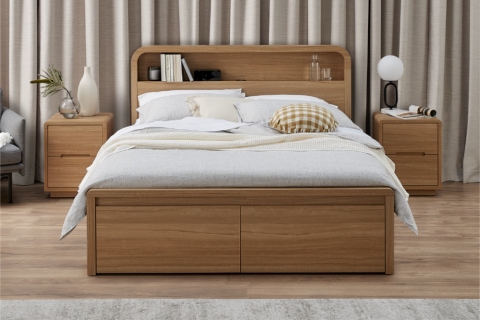
For older kids and teens
For older kids and teens, study spaces often become more personal and tech-aware. Alongside room for laptops, books and chargers, having a setup that feels adaptable can support both study time and evening wind-down.
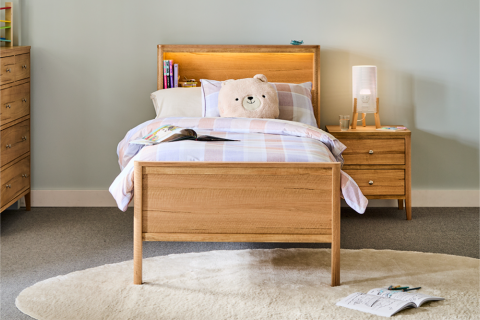
Beds with integrated features like LED lighting or USB charging can support how the space is used. Adjustable lighting makes it easier to move from homework to relaxation, while built-in charging keeps devices close without cables taking over the room.
How to set up a practical study area for kids in the bedroom
When you’re designing a kids bedroom with a study space in mind, it can help to keep the space feeling like a bedroom first. Here’s how:
- Choose the right furniture: Look for furniture that is designed for children, such as adjustable desks or beds with storage, offering flexibility as needs change.
- Think about placement: Positioning a desk against a wall or in a corner can help create a visual distinction between study and sleep, while keeping the centre of the room open for movement and play.
- Consider the lighting: Lighting plays a role in how the space is used throughout the day. Natural light can work well during daytime study, while a simple task lamp may provide focused light for afternoon or evening homework.
- Create dedicated zones: Using a rug, pinboard or shelving unit can subtly define the study area without fully separating it from the rest of the room.
Kids study nook ideas for small bedrooms
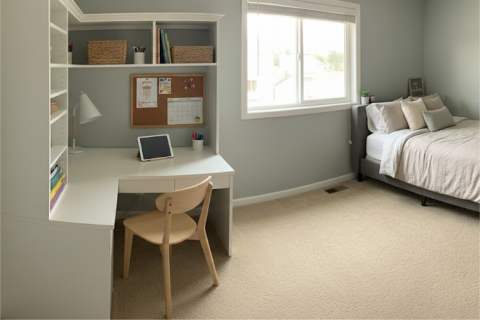
In smaller bedrooms, a full study setup may not be practical, but a compact kids study nook can be just as workable. Focus on what’s already there, without letting the study area take over the room.
Corners, unused wall space or narrower sections of the room can be transformed with a slim desk and vertical storage, keeping the footprint small and the layout easy to live with. Lighter finishes and simple lines can help the nook blend more naturally into the space, rather than feeling like an add-on.
Keeping styling minimal can also help in smaller rooms. A clear desktop, a small pinboard or shelf for everyday essentials, and storage that tucks neatly away allow the nook to feel purposeful during homework time.
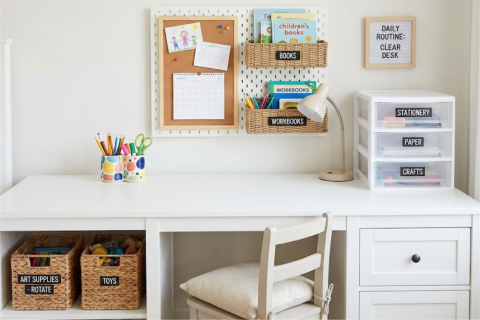
How do I keep a child’s study area organised?
Simple organisation systems that children can manage themselves are more likely to stick. The key is to make it easy to manage, while keeping it flexible to change with their needs. Here’s some quick tips:
- Use storage baskets and drawers to store items with clear categories like books, stationery to make tidying quicker.
- Keep everyday items within easy reach. This can help encourage independence, allowing children to manage their own study time.
- Get your child into the routine of clearing the desk at the end of their study session or returning supplies to the same place to help reset the bedroom.
- For hobbies or craft supplies, rotate through activities rather than having them all out in the space.
Styling a kids study area to feel part of the bedroom
A study area should feel like it belongs in the bedroom, not like it’s been added as an afterthought. Using similar colours, finishes and materials across the bed, study area and storage can help create a sense of visual flow. This cohesion allows a kids study corner to sit comfortably within the bedroom, rather than standing out as a separate zone.
Soft textures can also help balance the more structured elements of a study setup. Rugs, fabric pinboards or cushions may add a gentle layer of warmth, supporting a space that feels practical while still promoting rest and relaxation.
What colours are best for a kids study area?
When it comes to choosing the right colour, calm, muted tones tend to work best in shared sleep and study spaces. Soft neutrals, gentle greens and subtle blues can support focus without overstimulating the room. Keeping brighter colours to accessories allows the space to feel playful while maintaining balance.
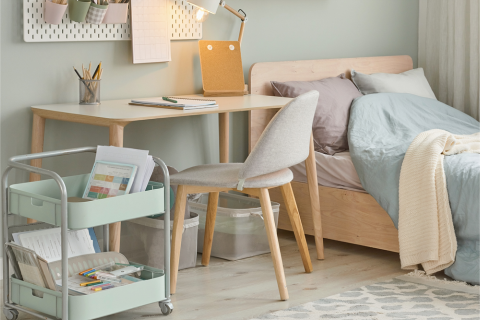
Creating a kids study space that grows with them
Some of the most effective kids' study ideas are those that can adapt over time. As children grow, routines, interests and learning needs often shift, and the bedroom may need to evolve alongside them.
Focusing on flexible layouts, practical furniture and calming design choices can help create a study area that works during the day, while still allowing the bedroom to feel settled at night. This approach can support a sleep space that remains enjoyable and easy to live with, both now and as needs change over time.
Want to discover more bedroom styling inspiration? Check out the Snooze blog for more kids bedroom decorating ideas and advice on how to choose the right mattress for children.