Sleeping Positions Explained

The run down on sleeping positions:
- Your sleeping position can influence how easily your body relaxes and how refreshed you feel in the morning.
- Simple tweaks like pillow height or leg positioning can help side, back and stomach sleepers feel more supported.
- Paying attention to small cues from your body can guide you toward the position that helps you rest more comfortably.
Whether you’re a side, front or back sleeper, most of us have a go-to sleep position that we naturally settle into each night. But does ‘how you sleep’ make a difference to how refreshed you feel in the morning? While there’s no single ‘perfect’ sleep position for everyone, a few small tweaks may help your favourite one feel even better.
Let’s explore some of the most common sleep positions and how to make each one work better for you.
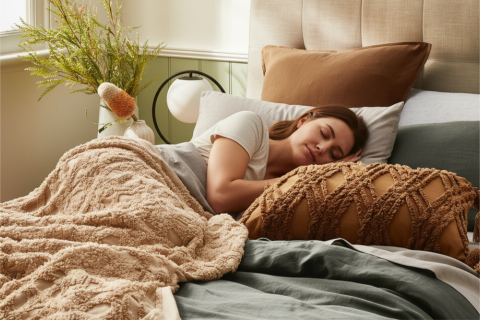
Why sleeping positions matter
How you sleep at night can influence how easily your body relaxes. When your spine, neck and shoulders are comfortably aligned, it can help to sleep more soundly. Research from the Sleep Foundation shows that certain positions can actually help ease discomfort, restless nights and aches.
Plus, there’s nothing better than finding that ideal sleeping position where your body softens and you feel yourself drifting off without effort.
What is the best position to sleep in?
There’s no single ‘correct’ sleeping position. It’s all down to whether you feel supported and relaxed enough to drift off to sleep. Everyone’s different, so it’s worth exploring what feels good for your body.
Let’s take a closer look at some common sleeping positions and how to make each one work for you.
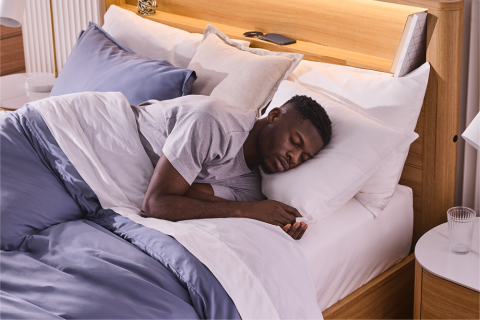
Side sleeping
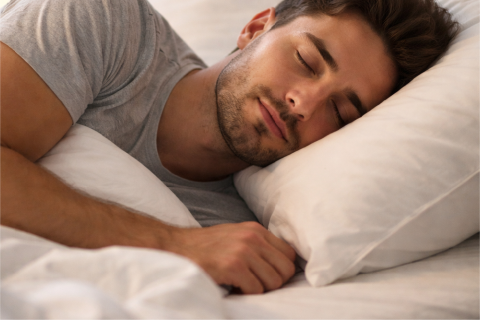
Side sleeping is one of the most common positions. Many like the curled, comforting feel of it and how naturally it helps them settle into bed.
To make the side sleeping position more comfortable, try using a pillow that keeps your head level with your shoulders like a high or medium profile pillow. Placing a knee pillow or a small cushion between your knees can help align your hips and lower back, making it easier to stay comfortable through the night.
If you’re unsure which side you prefer, try alternating for a few evenings and pay attention to how you feel when you wake up.
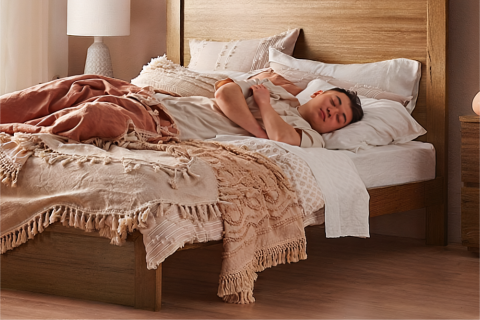
Back Sleeping
If you like stretching out, sleeping on your back might be your go-to position. Many back sleepers enjoy the relaxed, open posture and the way it encourages the body to settle naturally.
If you sleep on your back, choose a pillow that supports your head without pushing it too far forward, like a medium-profile pillow. Adding a small pillow under your knees can take pressure off your lower back and make the position feel more comfortable.
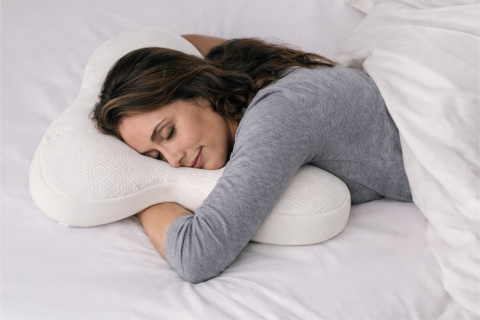
Stomach sleeping
Stomach sleeping is less common, but for some people, it’s their go-to position. It typically keeps the legs straighter and the body flatter against the mattress, which is simply how some sleepers feel most comfortable.
If you’re a stomach sleeper, the key is to keep your neck and shoulders as relaxed as possible. Try using a soft, low profile pillow to help reduce strain. Let your legs relax naturally and choose a mattress that is supportive enough to keep you comfortable without sinking too deeply.
Which side should you sleep on?
So, which side is the best to sleep on? Some people will gravitate to the left, others to the right. The best choice is whichever one helps you wake up without stiffness or discomfort.
If you want to experiment, try:
- Choosing a pillow that keeps your head level with your shoulders
- Adding a knee pillow or a small cushion between your knees
- Noticing which side feels more comfortable
Comfort is the best guide here, so follow what feels good for your body.
Is it better to sleep with your legs bent or straight?
Both bent and straight leg positions can be comfortable. It depends on what feels most natural when you settle in. Many people enjoy a gentle bend in the knees because it can help the body relax. Others prefer stretching their legs out, especially if they sleep on their back. You can test out both positions and see which one feels more natural for you.
Signs your sleeping position may not be working for you
If your body feels a bit “off” when you wake up, it may be worth paying attention. Your sleep position might need a little adjustment if you notice:
- Waking up stiff or tight in certain areas
- Tossing and turning more than usual
- Shoulder, hip or lower-back discomfort
- Feeling unsettled when you first lie down
- Waking up feeling like you’re not rested
These signs don’t mean anything is wrong. They simply suggest your body may benefit from a different position or a small tweak to your current one.
How to improve your sleep - no matter which position you choose
Whether you’re a side sleeper or prefer to sleep on your back, you can help make your sleep more comfortable with a few simple adjustments. Here’s how:
- Choose the right pillow height. Side sleepers usually need more height, back sleepers often prefer medium support and stomach sleepers may prefer a lower pillow height.
- Check your mattress. A supportive mattress that suits your sleep needs can help support your body throughout the night.
- Use positioning pillows. A pillow between the knees for side sleepers or under the knees for back sleepers can ease tension and help you settle more naturally.
- Create a bedtime routine. Whether it's a sleep tea before bed or a warm bath, create a routine that helps signal that it’s time for rest.
- Keep your bedroom calm and comfortable. A cool, dark and quiet space makes it easier for your body to relax in any position
Ready to sleep on it?
Finding a good sleeping position can make bedtime that little bit more relaxing. It might take a few nights of testing different positions and tweaking things like pillow positioning, but once you find the right position, sleep often follows more easily.
Looking for more sleep advice? Explore the Snooze blog for articles including tiny habits that can make a big impact and tips on how to wake up earlier.