The Ultimate Guide to Mattress Removal

As the saying goes: out with the old, in with the new. But what if the old is huge? And bulky, and comes with a unique set of logistical problems. Mattress removal is a dilemma that plagues many of us. How do we dispose of our mattresses responsibly (and legally!) and ensure that if parts of the mattress can be recycled, they are?
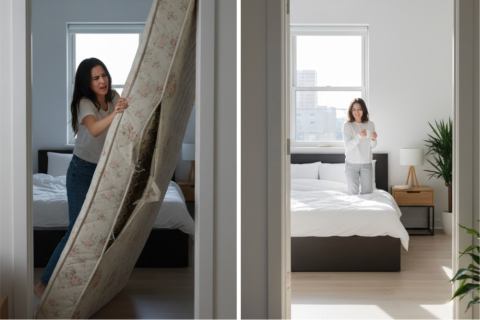
We explore how often you should change your mattress, your mattress removal options and how to ensure the most sustainable way to get rid of an old mattress.
How often should you change your mattress?
A good quality mattress can last between 7-10 years, but there are some telltale signs that mean it’s time for a new mattress, regardless of age.

Your mattress is sagging or has lumps
When your mattress begins to sag, it’s often a sign that it’s time for a new one. Sagging mattresses indicate that the componentry is worn out and the mattress is likely no longer providing you with adequate support while you sleep.

You wake up tired
Unexplained tiredness, or not feeling rested when you wake up on a regular basis could also be a sign that it’s time for a new mattress. When your mattress is no longer providing sufficient support while you sleep, diminished sleep quality can be an unhappy consequence.

It’s more than 7 years old
When to replace your mattress is not an exact science. As a guide, mattresses that are regularly used can last between 7-10 years. Knowing when to change your mattress also depends on how the mattress has been cared for. The lifespan of a mattress that has been used every night for 7 years will have a different lifespan to that of a mattress that is in a guest bedroom and only gets used occasionally.
Mattress removal options
Believe it or not, most mattresses are actually made of products that can be broken down and reused. By salvaging metal, foam and timber used in mattress production, thousands of tons of waste can be diverted from landfill each year. While other mattress removal methods can be more cost-effective, donating your mattress for recycling is the most sustainable option.
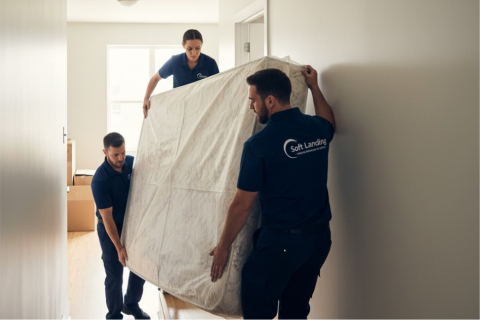
Donate your mattress for recycling
Recycling your old mattress is a great mattress disposal method. There is usually a small fee associated with a service like this and it is to cover the costs of mattress pick up and deconstructing your mattress to retrieve the reusable parts. There are a number of ways your mattress parts can be repurposed, for instance:
· Timber bases can be recycled into products like weed matting and mulch.
· Steel springs can be recycled into products like roof sheeting.
· Foam can be recycled into carpet underlay.
· Textiles – can be recycled into end-use products such as acoustic paneling.
Soft Landing is a not-for-profit social enterprise that not only recycles mattress parts but provides stable and meaningful jobs to people within the community that are experiencing barriers to employment. This organisation operates in NSW, VIC, ACT and WA and offers collection services. There is a fee to use this service, but if you can afford it, it is the best choice for the planet, and is directly helping people within the community.
Other mattress recycling operators that offer mattress pick up include:
The Mattress Recycling Company operates in Victoria, QLD, and NSW.
Bed Collect operates in Victoria only.
Bounce Back Mattress Recycling operates in SA only.
If you can’t find a reputable recycling service for your area check out the ABSC-approved mattress recycling organisations, or Planet Ark offers a handy search tool to find your best local options.
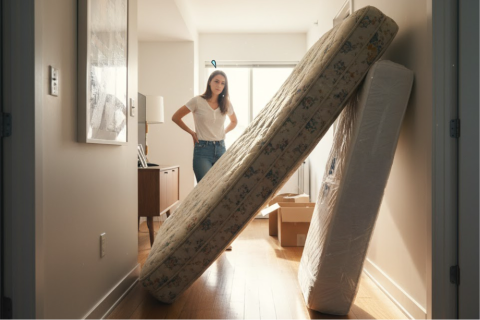
Book a council collection
Most local councils around Australia offer a collection service for bulky waste, and it's typically a straightforward process. If time is of the essence and you know in advance when you’re going to buy a new mattress, you can book the collection ahead of time.
- Book a collection with your local council (by phone or online form).
- Your council will typically provide you with a date to put your mattress out for collection and often a reference number to attach to the mattress (so the council and neighbourhood know it hasn’t been illegally dumped.)
- Ensure you put your mattress out on the nominated day with the reference number attached.
While council collection is a popular method of mattress removal, the downside is mattresses often end up in landfill. Some councils have invested in recovering metal mattress components for recycling and shredding the fabric components. This is a good step forward, and can reduce bulk mattress waste by up to 80%.
Mattress donation
Maybe you’re downsizing and don’t need your mattress anymore, or perhaps the lightly-used mattress in your guest room is getting an upgrade. If the reason that you’re looking at mattress disposal isn’t because it’s worn out, consider mattress donation. Charities like The Salvation Army or Lifeline can accept mattresses at some locations. It is important to contact your local charity organisation first to check whether they accept mattresses, as not all stores have the space or resources to accommodate them.
Sell your mattress
While it’s not likely to yield a massive return, selling it on a platform like Facebook Marketplace or Gumtree is often a better option than sending it to landfill while avoiding disposal costs if your mattress is in good condition. You should only ever opt to sell your mattress if it’s in good to excellent condition for hygiene reasons. A handy tip when listing your mattress for sale is to make it available for collection only, to save you having to transport it to its new owner.
FAQ's
Can mattresses be recycled?
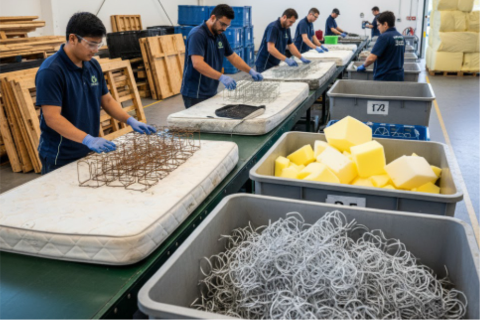
Yes, mattress parts can be recycled. Depending on your location, there are a range of services that will collect your old mattress for a small fee and retrieve the reusable parts for recycling.
How much does mattress removal cost?
Mattress removal costs can vary depending on which organisation you choose. The starting price for mattress removal from an organisation like Soft Landing is around $70. Ensure you choose a reputable company for your mattress removal.
Who are Soft Landing and how are they involved with mattress recycling?
Soft Landing is a not-for-profit mattress recycling social enterprise that also strives to provide jobs to members of the community who are experiencing barriers to employment. The Soft Landing mattress recycling team manually deconstructs mattress to retrieve the usable parts.