Always Tired? How To Improve Your Sleep Quality And Prevent Sleep Deprivation

Sleep. It is as important to our bodies as the bare necessities like food and water. Without it, we can experience symptoms of sleep deprivation, feeling irritated and fatigued, yearning for any opportunity to crawl back into bed. Even if we do get the recommended eight hours of sleep per night there's a range of factors that can impact the quality of our sleep each night.
While you may not be able to make the temperature more agreeable, avoid street light from blazing into your window, or stop the cat from jumping on your head in the middle of the night, a quality rest setup that includes a comfy mattress and breathable bedding can make a difference when it comes to getting a better night's sleep. We’ll give you some tips to help your understanding of sleep, fight off symptoms of sleep deprivation and wake up feeling more revitalised and rejuvenated.

Causes of tiredness
We understand life can often get in the way of good quality rest. Desk work, binge-watching your favourite series, kids, trying to cram a lot of things into a little time. It’s no wonder a lot of us struggle to feel rested. Here are some of the most common reasons your sleep quality might not be optimised.
Lack of exercise
Regular exercise supports healthy sleep by regulating melatonin production and reducing stress and anxiety, two key factors in falling and staying asleep. Without enough physical activity, both hormone balance and stress levels can be disrupted, making deep sleep harder to achieve.

Lack of a balanced diet
A poor diet can disrupt sleep by causing nutrient deficiencies, blood sugar spikes, and digestive discomfort. It can also affect mood and stress levels, making it harder to fall or stay asleep. Eating a lot of processed food, or food your body doesn’t agree with can quickly cause symptoms of tiredness.

Dehydration
Just like food and sleep we need to be hydrated for our bodies to function properly. Not drinking enough water can leave you feeling dehydrated, adding to the feeling of exhaustion.
Poor sleep habits
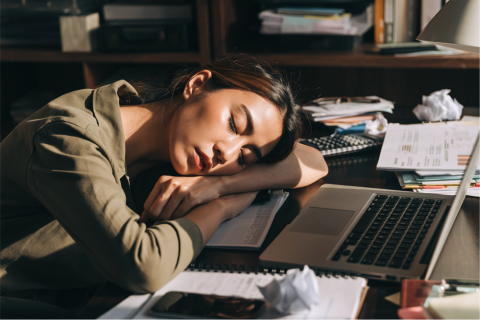
Most of us are guilting of scrolling the night away, lured by the pull of social media masterminds. A lot of us even take our phone or device to bed! While it might seem like it’s a form of unwinding, the blue light emitted from these devices stimulates our mind into wakefulness, inhibiting our ability to fall asleep and prevent us from reaching restorative, deep sleep.
Uncomfortable sleeping environment
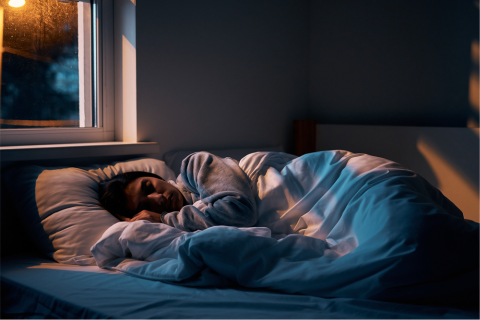
Are you sleeping on an old, saggy mattress? Is your pillow giving your neck a difficult time? A mattress that isn’t providing you with adequate support is one of the major causes of tiredness. Both can contribute to how you feel when you wake up in the morning. There are also environmental factors like temperature, light and noise that can keep us up at night.
Effects of lack of sleep
A lacklustre night’s sleep every now and again can make you feel tired and more irritable. After several sleepless nights however, the effects become more prominent and can affect you in serious ways. Not only are you left feeling short-tempered, but your concentration and focus becomes strained, and you may feel unable to cope with everyday tasks. Between making more mistakes and impulsive choices, a consistent lack of sleep or symptoms of sleep deprivation can also lower your immune system’s defences and compound existing health problems.

Symptoms of sleep deprivation
Sleep deprivation means you’re consistently not getting sufficient deep sleep. Generally, most adults need 7-8 hrs of sleep a night. Symptoms you may be sleep deprived include:
- Constant yawning
- Dozing off accidentally
- Poor concentration
- Mood swings
- Irritability
- Poor memory retention
- Feeling sluggish and drowsy

How to improve sleep quality
The importance of sleep means it should be at the top of your list. Here are a few things you can do to improve the quality and length of your sleep:
- Fuel your body with healthy food.
- Drink plenty of water and steer away from caffeinated drinks that can cause restlessness if consumed too close to bedtime.
- Move your body! Exercising regularly will help boost energy levels. Get regular doses of exercise and fresh air, a brisk walk a few times a week can make a big difference to your quality of sleep.
- Try to cut down on sources of stress and run a check on your work-life balance.
- Make sure your bedroom is set up for sleep, ensure it’s dark and a comfortable temperature. Minimise any foreseeable noise disruptions during the night.
- Establish a good sleep ritual. Turn your devices and TV off earlier in the evening and resist the temptation to take your phone to bed.
- Try relaxation techniques like simple meditations to help remind your body how to go to sleep.
- Ensure you have a quality mattress and a supportive pillow.
If you’ve tried incorporating some of these lifestyle changes but haven’t seen any improvement in your sleep, it’s always a good idea to chat to your GP to rule out any underlying health issues.
The importance of a good mattress
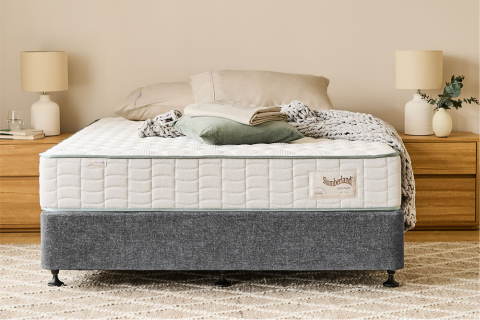
The importance of a good mattress can’t be understated when it comes to optimising your sleep quality. A good quality mattress can be the difference between a blissful slumber and tossing and turning all night. If you’re fighting against sagging springs or uncomfortable lumps then you might want to think about upgrading your mattress.
We understand that everyone’s sleep needs are different, so we want to take the guesswork out of finding the right mattress. Take our amazing Snooze profiler in-store or complete our online Mattress Finder quiz to help you find the right mattress for a better night’s sleep.
FAQ’s
How do you know if your mattress isn't right for you?
If you’re often waking up tired, despite sleeping a good length of time, it may be a sign that your mattress isn’t providing you with the support you need.
What are the symptoms of a bad mattress?
If your mattress is old or worn out, it will result in a bad quality of sleep. Here are signs your mattress needs upgrading:
- It’s 7-10 years old
- It has started to sag or has visible dips
- It has noticeable lumps in it
- You can feel every movement from your partner
- Persistent neck or back pain
- You consistently wake up feeling tired despite sleeping through the night.
What are some tips on how to improve sleep quality with the right mattress choice?
To improve sleep quality and reduce symptoms of sleep deprivation, choose a mattress that suits your sleep position, prioritise breathable and supportive materials, and the right feel. Test it out in-store, use a solid base, and replace your mattress when it’s past its prime.